
Best of Izu
At some point [people] start wondering if there’s something else, something a little quieter, a little less curated.
At some point [people] start wondering if there’s something else, something a little quieter, a little less curated.

On the Izu Peninsula, slow travel works differently. Here, distance isn’t optional. It’s built into the land. And rather than being an inconvenience, that distance is what gives each place its character.
Slow Travel on the Izu Peninsula Read More »
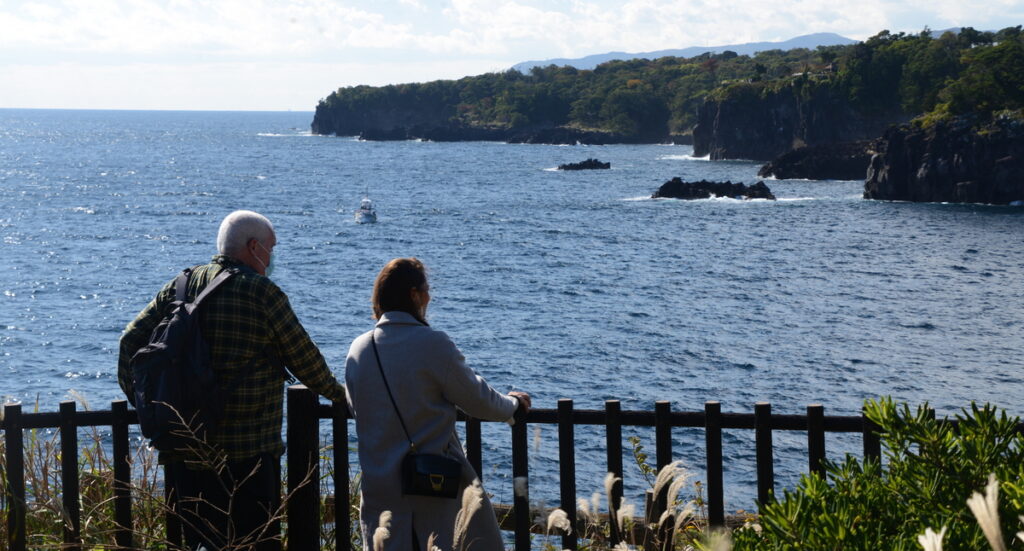
A local guide can add profound value to your trip, especially if it’s your first time in a complicated country like Japan.
How hiring a local guide transforms your travel experience Read More »

Watching smoke rise from the tebiyama furnace, seeing blocks of fish slowly transformed by fire and time, you gain a rare insight into the foundation of Japanese cooking.
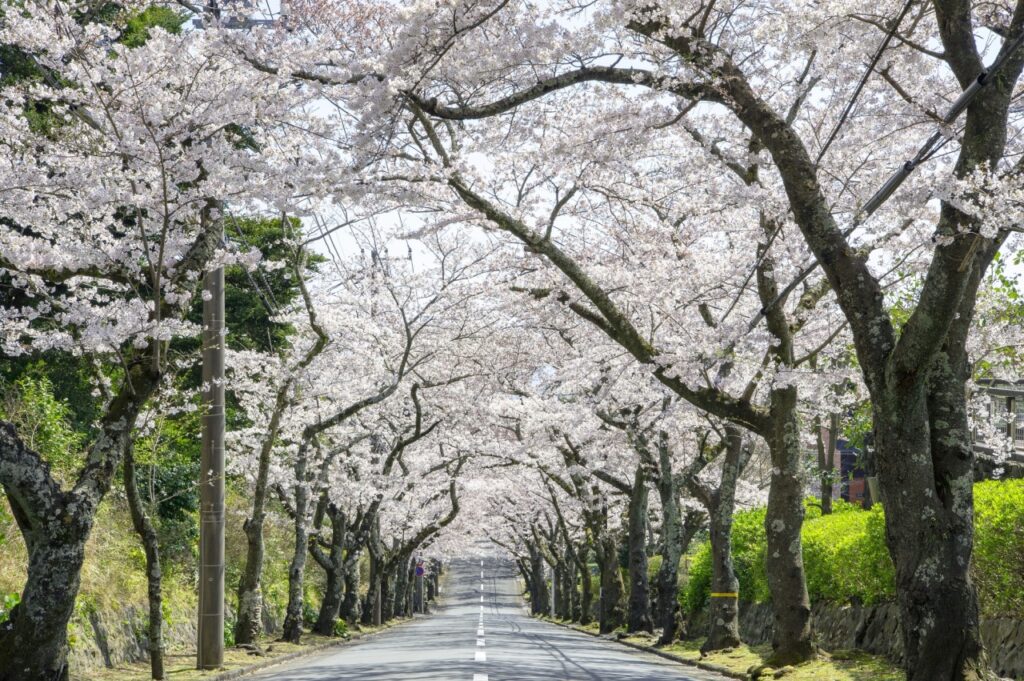
For a few fleeting moments in spring, cherry trees bloom in ephemeral splendor and people turn out in droves before the blossoms disappear. At least that’s what people believe.
Izu’s Long Cherry Blossom Season Read More »
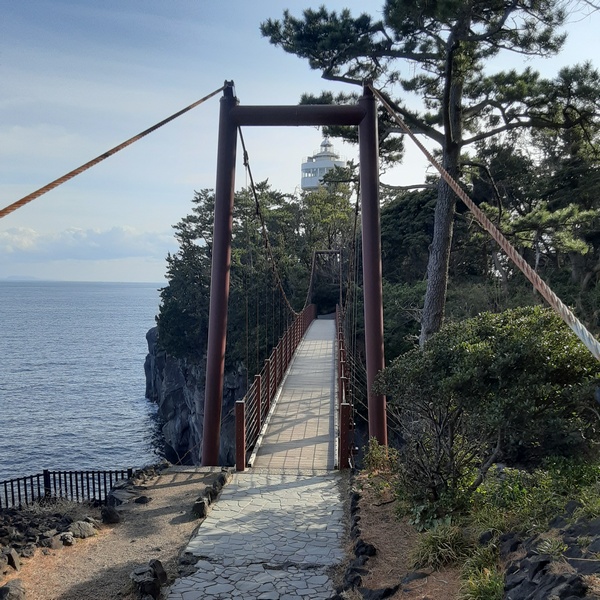
Of course we want to visit the most famous places, and we should. There are also many amazing places that people miss and go home without experiencing the numerous benefits to traveling off the beaten path. Why not do both?
Off The Beaten Path Japan Read More »
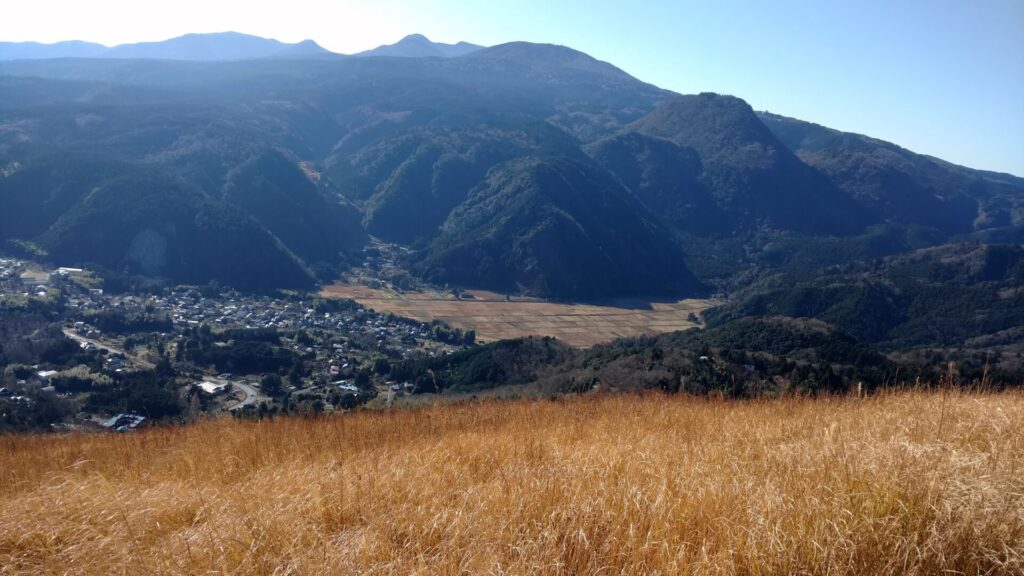
Everything about Japanese culture can be traced back to its rural villages. Japanese language, behavior, rituals, and diet can be traced back to a small village tucked away in a remote mountain valley.
How can that be? Let’s look at one lesson from language.
One of the first words a foreigner learns when studying Japanese is “gaijin,” 外人 which means ‘outsider.’ The more polite and socially accepted version of this word is “gaikokujin,” 外国人 which means ‘person from a foreign country.’ The word “gaijin” is strongly connected to the important concepts of “uchi” 内 and “soto” 外 in Japanese.
Visit a Japanese Village Read More »

The quaint little village of Matsuzaki, on Izu’s west coast, is a dream destination for folks seeking the charm of old Japan.
Matsuzaki: One of Japan’s 100 Most Beautiful Villages Read More »
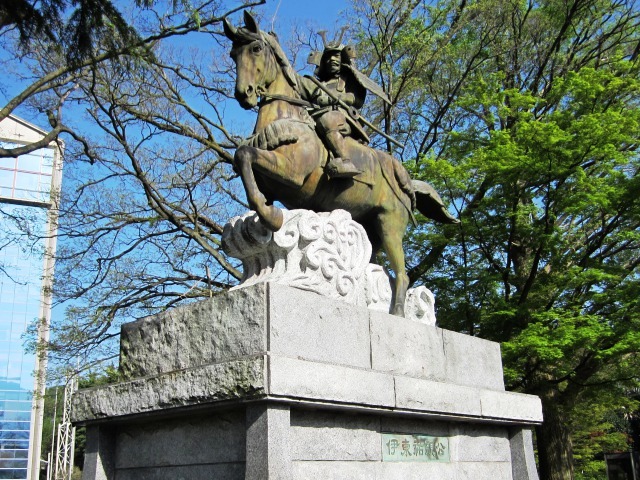
Itō has been inhabited since the Jōmon period – roughly 13,000-300 B.C. This era coincides with the Stone Age. The hunter-gatherer Jōmon people are believed to have entered Japan via the Japan Sea and the northern archipelago. They occupied northeastern Japan, and Izu was at the far western boundaries of their range. Archaeological digs here in Itō have produced artifacts from that time including primitive tools and pottery.
The Unique History of Ito Read More »
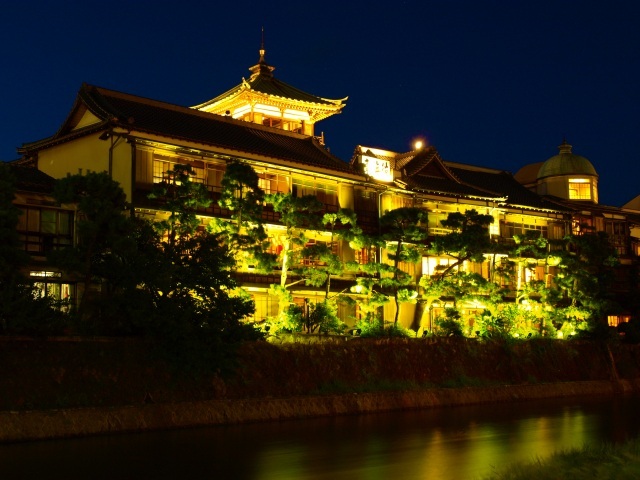
The history of Ito’s onsen dates back well over a thousand years. According to legend, the onsen were discovered during the Nara period…
History of Ito Onsen Read More »