Jimmy's Izu Tours

Jimmy Nishida-Adams

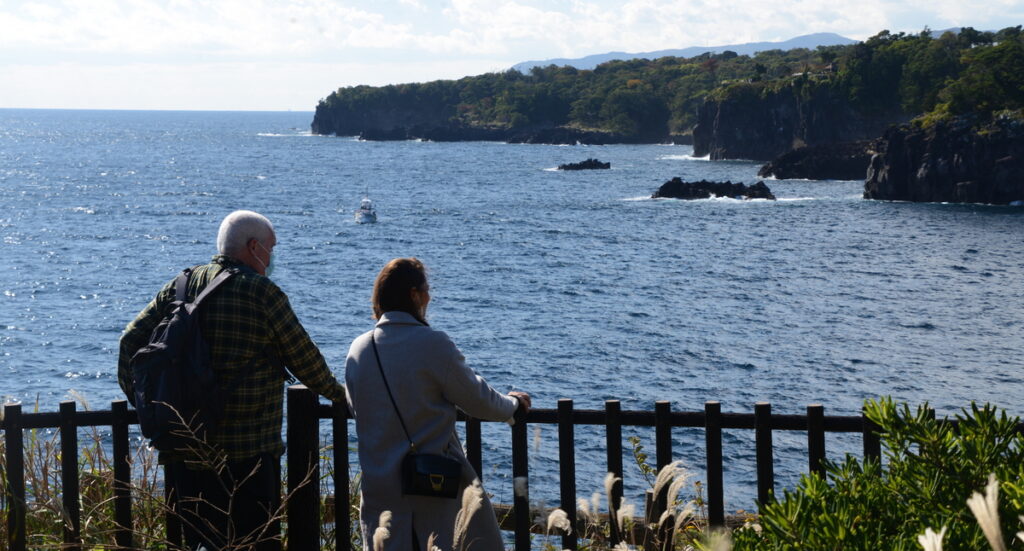
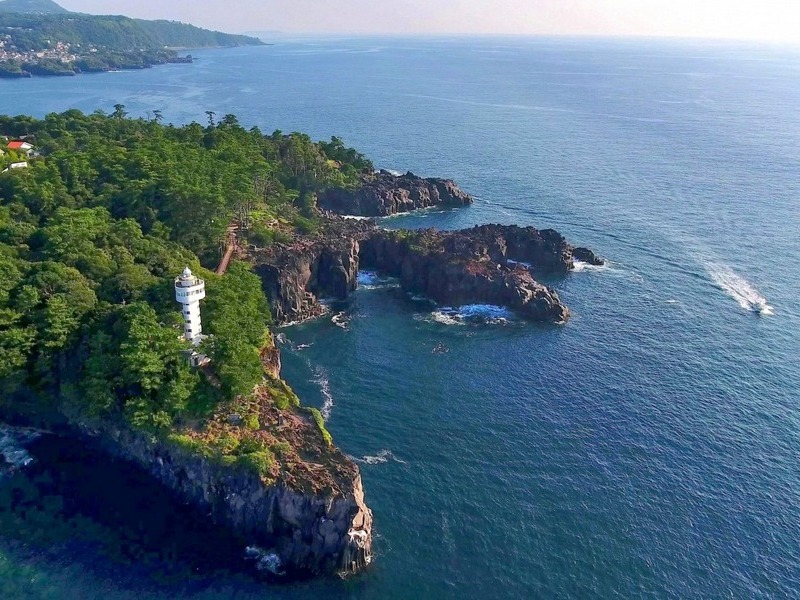
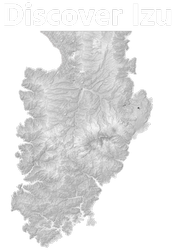
Discover Izu: Japan’s Geologic Marvel

That’s some pretty wild stuff when you think about it. In fact, the Philippine Sea Plate continues to subduct under the Eurasian Plates at a rate of at least 4 centimeters per year! All that tectonic activity explains why two of the three highest volume of onsen (hot spring) sources are here in Izu – the cities of Atami and Ito.

Discover Izu: Japan’s Geologic Marvel Read More »

Izu Wasabi – Japan’s Best!

Sushi has become very popular throughout the world. Perhaps the most recognizable ingredient in sushi is wasabi. By now, many sushi lovers know that the wasabi they have on their sushi is not actually wasabi. It is a horseradish based mixture of ingredients designed to mimic wasabi.

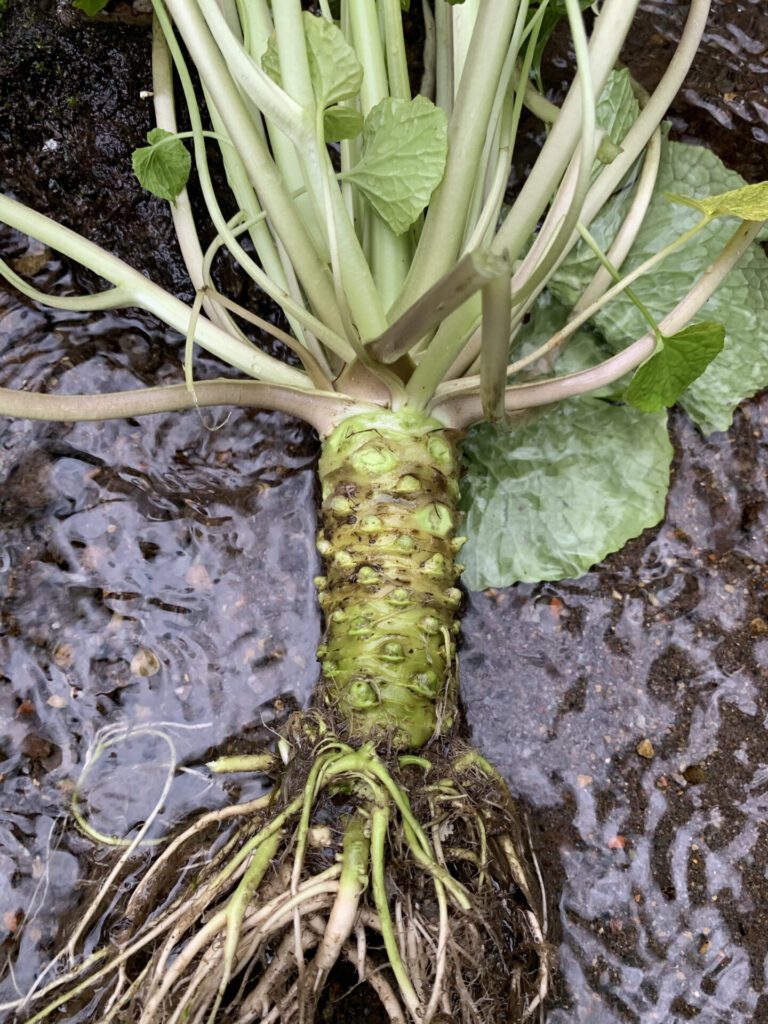
So what is real wasabi? It is the root of an aquatic plant that grows in cold mountain streams. It is also very sensitive: grated wasabi must be eaten within 5-15 minutes in order to taste its fullest flavor.

Izu Wasabi – Japan’s Best! Read More »

Japan’s Izu Peninsula – A Hidden Gem

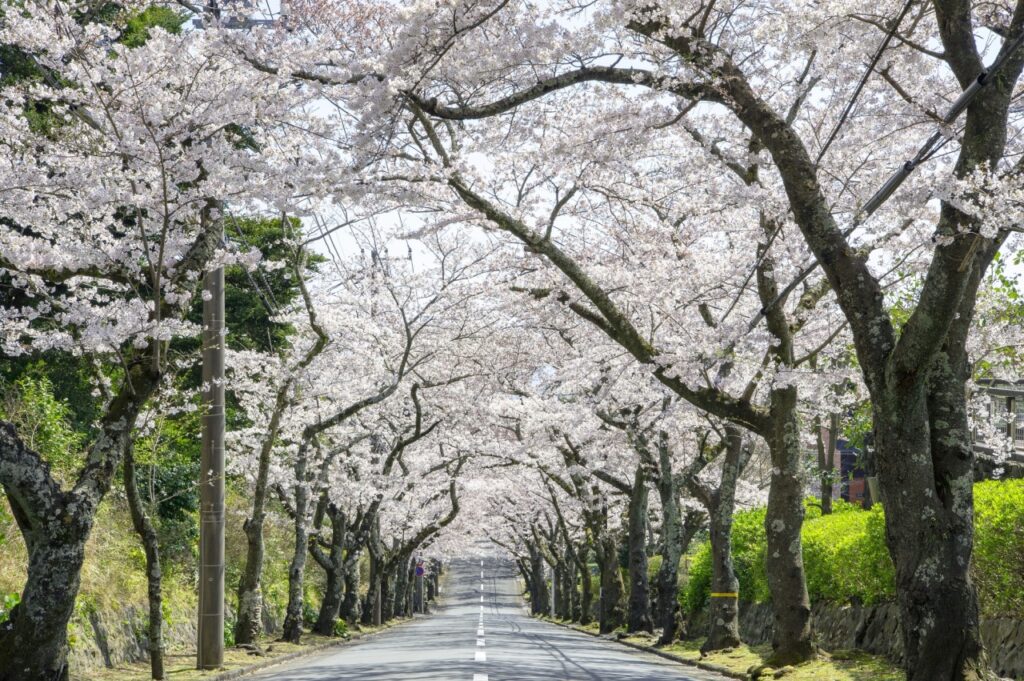
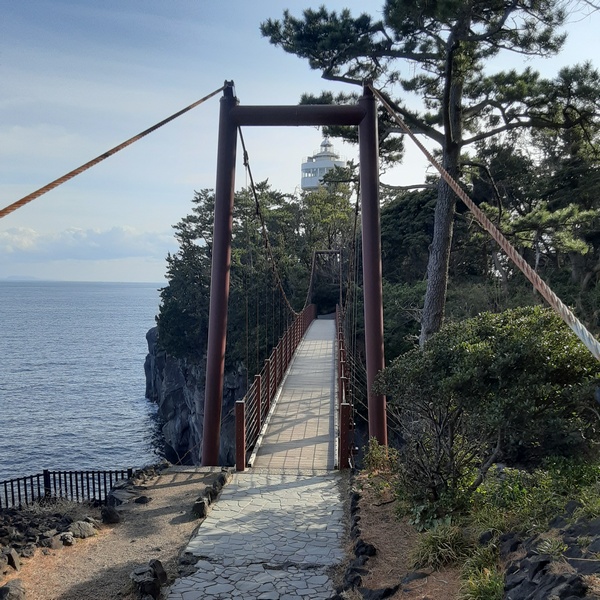
If you’re looking to explore Japan and take a break from the crowds in Tokyo and Kyoto, Izu may be just the place you’re looking for. This peninsula located in the eastern part of Shizuoka Prefecture and is packed with natural beauty, history, and culture, making it a great option for tourists seeking an off the beaten path destination.

Japan’s Izu Peninsula – A Hidden Gem Read More »

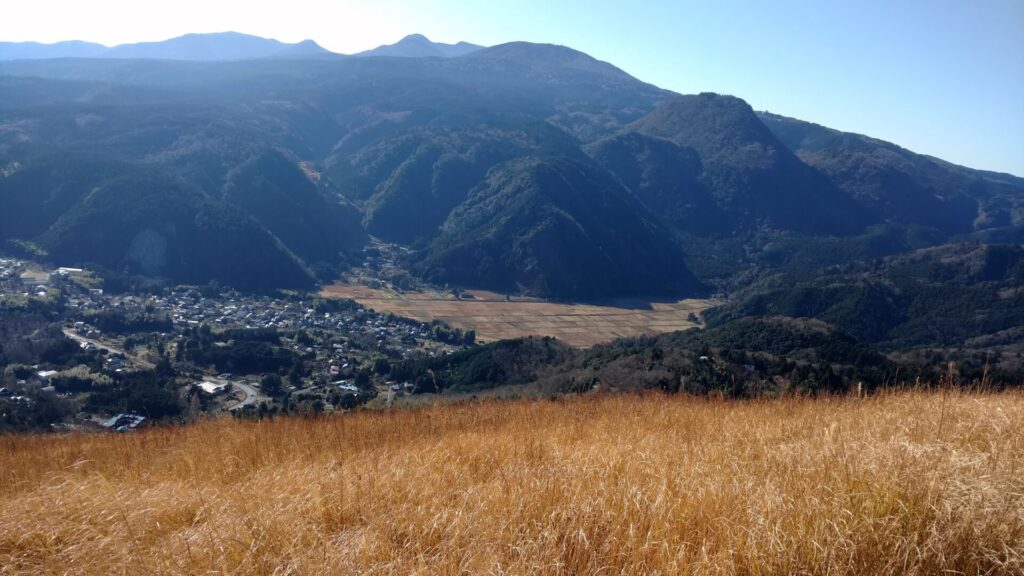
Visit a Japanese Village

Everything about Japanese culture can be traced back to its rural villages. Japanese language, behavior, rituals, and diet can be traced back to a small village tucked away in a remote mountain valley.

How can that be? Let’s look at one lesson from language.

One of the first words a foreigner learns when studying Japanese is “gaijin,” 外人 which means ‘outsider.’ The more polite and socially accepted version of this word is “gaikokujin,” 外国人 which means ‘person from a foreign country.’ The word “gaijin” is strongly connected to the important concepts of “uchi” 内 and “soto” 外 in Japanese.

Visit a Japanese Village Read More »