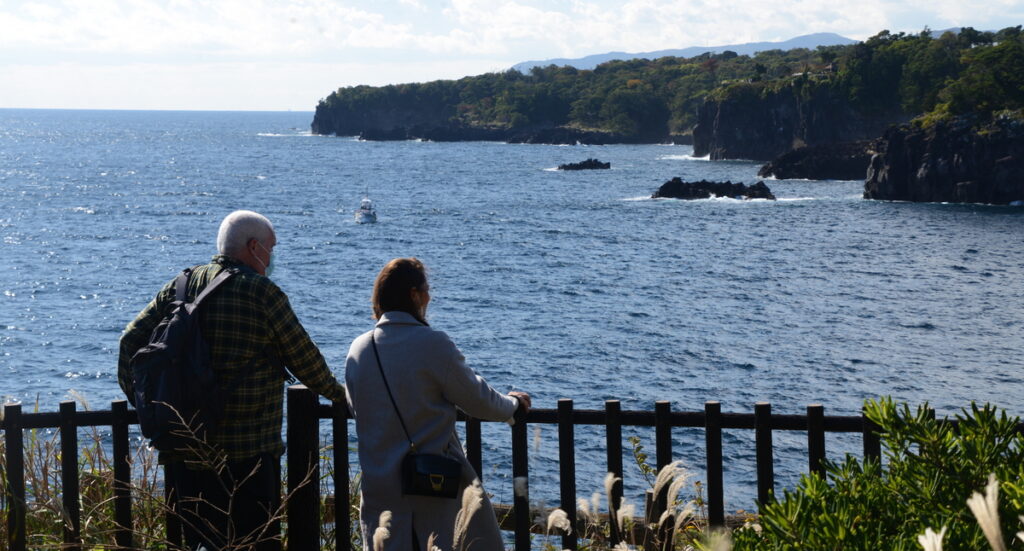
Hiring a guide transforms your travel experience
A local guide can add profound value to your trip, especially if it’s your first time in a complicated country like Japan.
Hiring a guide transforms your travel experience Read More »
A local guide can add profound value to your trip, especially if it’s your first time in a complicated country like Japan.
Hiring a guide transforms your travel experience Read More »
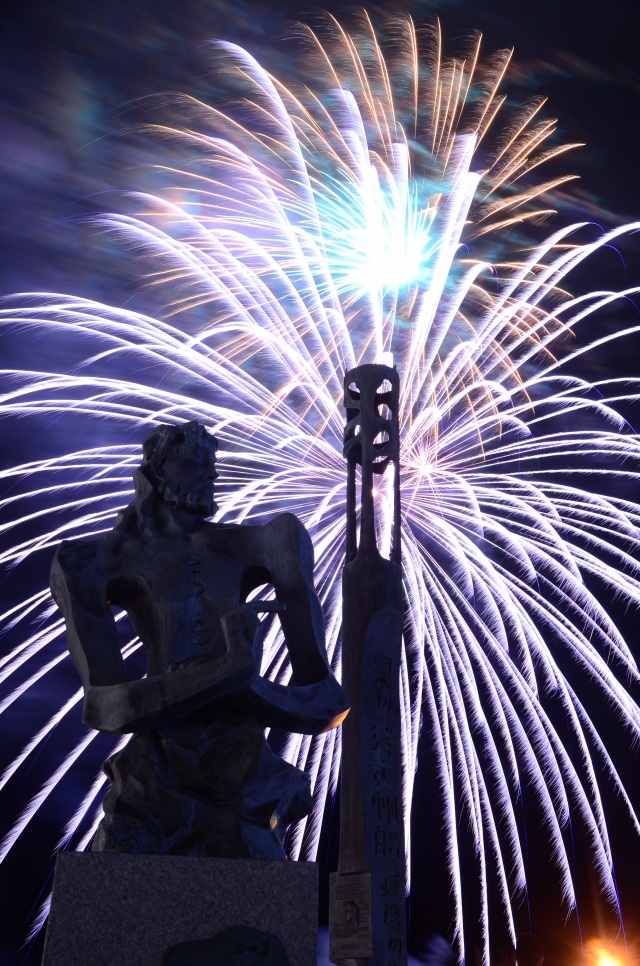
The Anjinsai Festival in Ito, Shizuoka, is a captivating local festival on the Izu peninsula that draws locals and tourists alike to experience a fusion of traditional customs and exhilarating festivities. Known for its breathtaking fireworks display, energetic yosakoi dances, thrilling taiko competition, and lively outdoor Wakuwaku-ichi market and beer garden at Fuji no Hiroba, the Anjinsai Festival is a true celebration of the rich cultural heritage and lively spirit of Ito.
Anjinsai – A Local Izu Festival Read More »
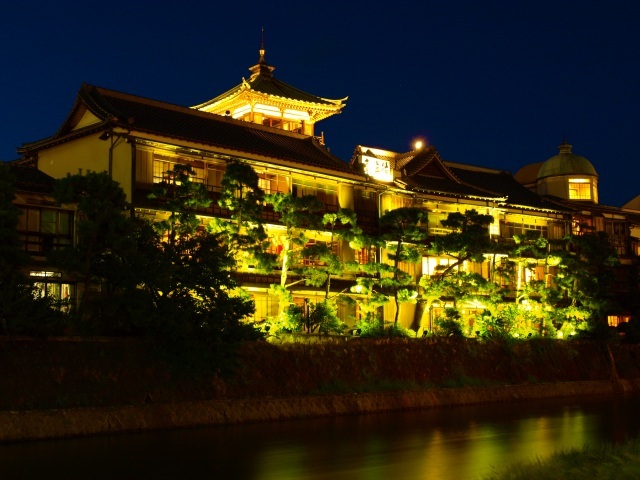
The history of Ito’s onsen dates back well over a thousand years. According to legend, the onsen were discovered during the Nara period…
History of Ito Onsen Read More »
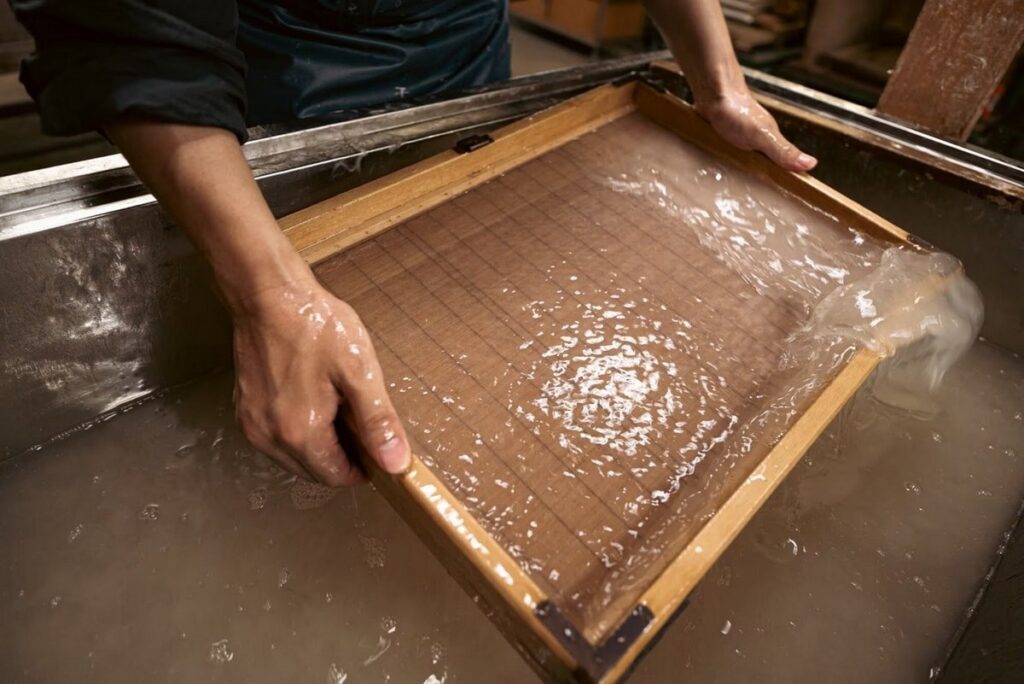
I’ve often lamented that many of the old ways are nowhere to be found in Izu, but I understand why. People have no practical reasons to preserve the past, and few young people have the interest nor the time. That’s why Shuzenji Gami is such a rare and important discovery.
Traditional Crafts in Izu Read More »
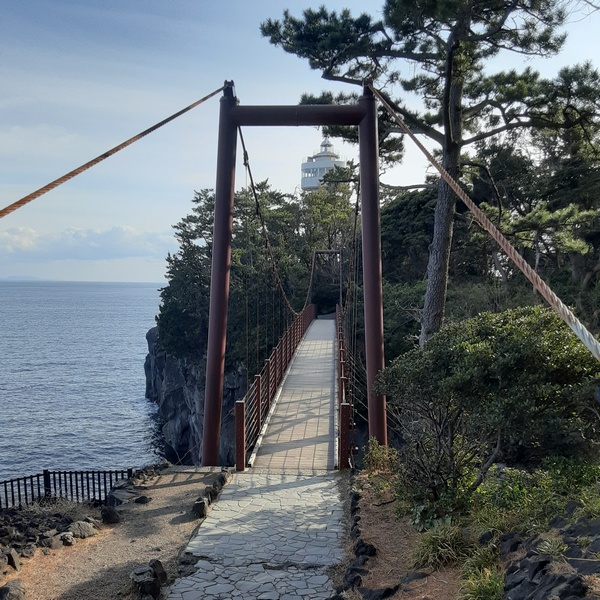
Of course we want to visit the most famous places, and we should. There are also many amazing places that people miss and go home without experiencing the numerous benefits to traveling off the beaten path. Why not do both?
Off The Beaten Path Japan Read More »
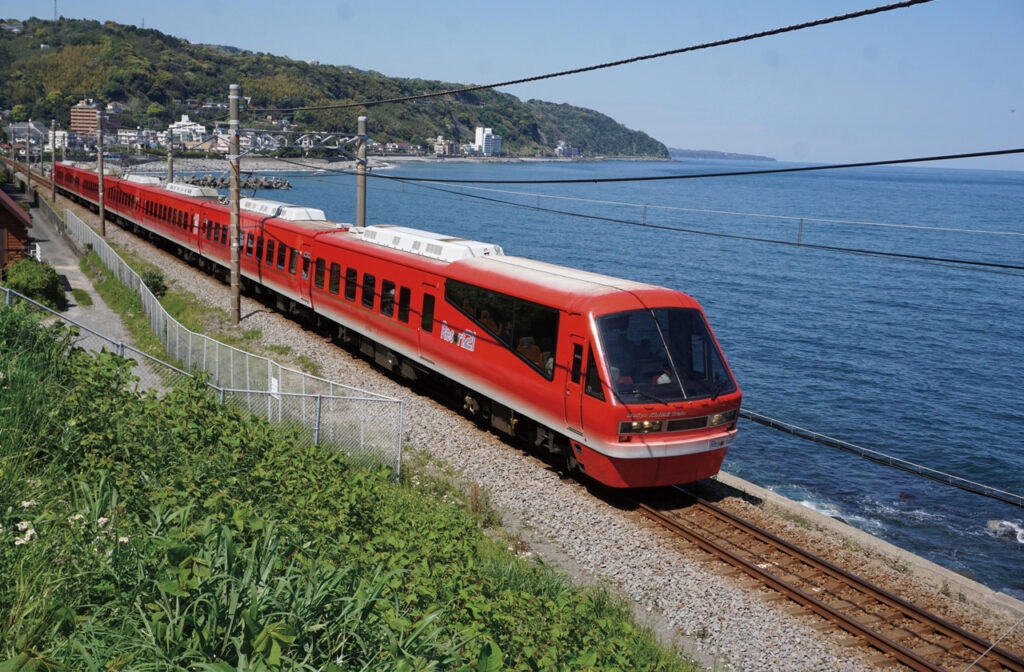
Before the railroad came, the Izu Peninsula was a place of deep isolation. Tucked into rugged mountains or clinging to the rocky coast, its villages were shaped by geography, self-reliance, and harmony.
Izu’s Transformation by Rail Read More »
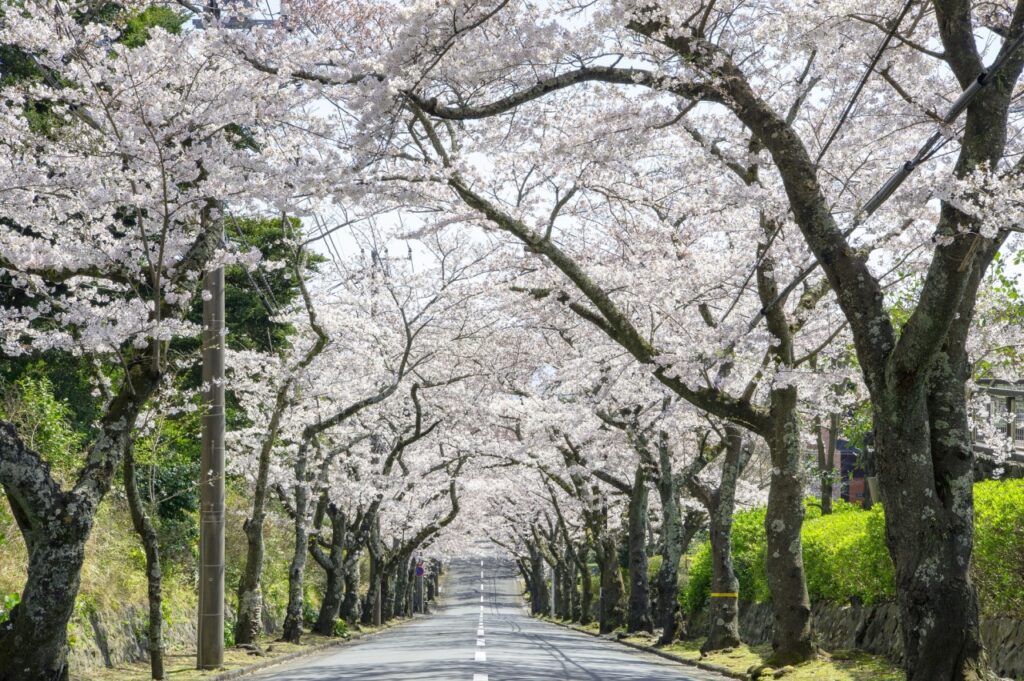
Here in Izu, we have some of the earliest blooming varieties of sakura (cherry trees). The most famous is the Kawazuzakura, which begins to bloom in the beginning of February and peaks around the second to third week of the month. This early variety was developed in the city of Kawazu, where a popular festival runs from the beginning till the end of February.
Hanami Season in Japan: Easier Than You Think Read More »
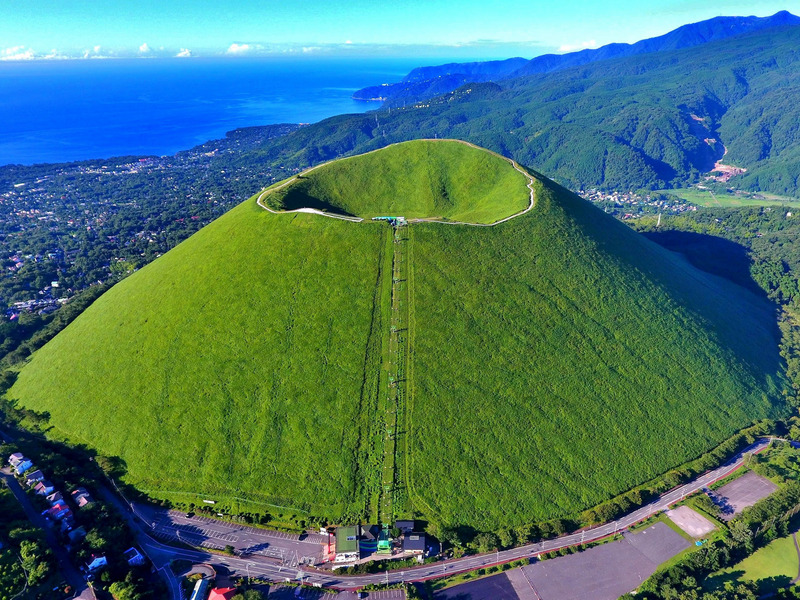
The Izu Peninsula’s Mt. Omuro is one of the most recognizable landmarks in Japan’s Fuji-Hakone-Izu National Park.
Mt. Omuro’s Sengen Shrine Read More »
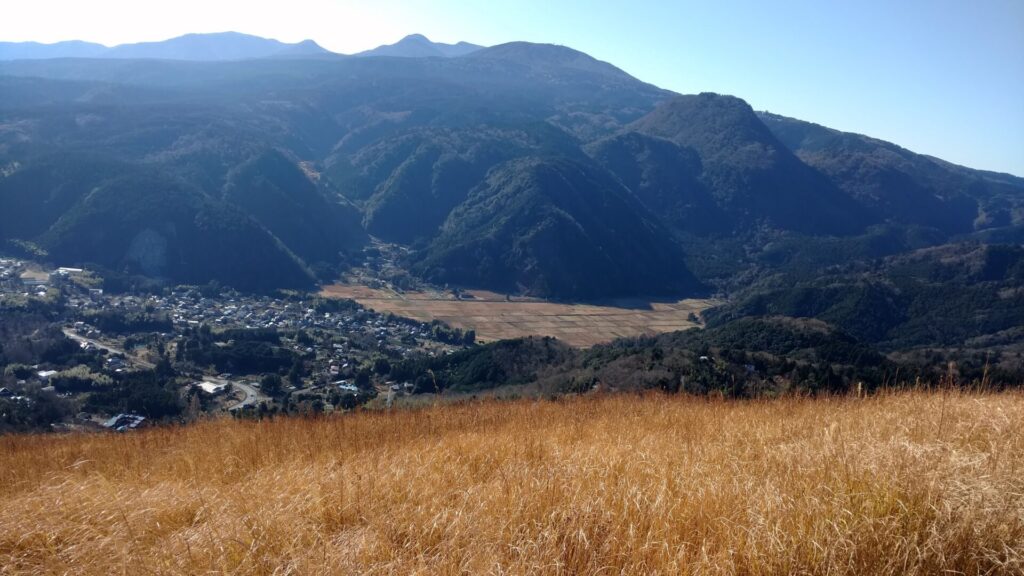
Everything about Japanese culture can be traced back to its rural villages. Japanese language, behavior, rituals, and diet can be traced back to a small village tucked away in a remote mountain valley.
How can that be? Let’s look at one lesson from language.
One of the first words a foreigner learns when studying Japanese is “gaijin,” 外人 which means ‘outsider.’ The more polite and socially accepted version of this word is “gaikokujin,” 外国人 which means ‘person from a foreign country.’ The word “gaijin” is strongly connected to the important concepts of “uchi” 内 and “soto” 外 in Japanese.
Visit a Japanese Village Read More »
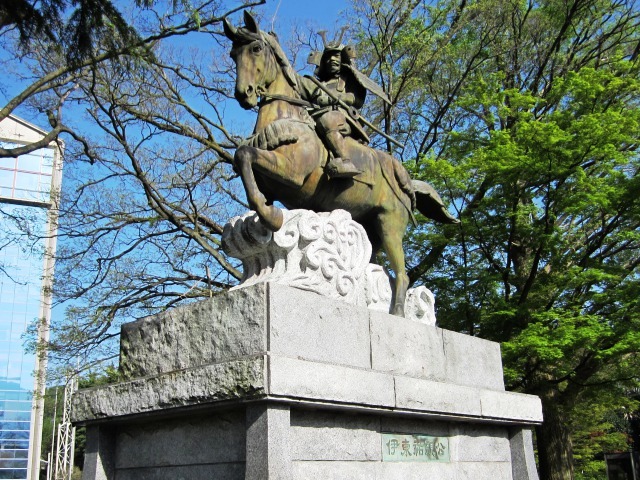
Itō has been inhabited since the Jōmon period – roughly 13,000-300 B.C. This era coincides with the Stone Age. The hunter-gatherer Jōmon people are believed to have entered Japan via the Japan Sea and the northern archipelago. They occupied northeastern Japan, and Izu was at the far western boundaries of their range. Archaeological digs here in Itō have produced artifacts from that time including primitive tools and pottery.
The Unique History of Ito Read More »