“Slow travel” is often described as a choice. In cities, that’s usually true. You can slow down by staying in one neighborhood, walking instead of taking trains, or choosing not to pack too much into a single day. Density allows you to pause without feeling like you’re missing something.
On the Izu Peninsula, slow travel works differently. Here, distance isn’t optional. It’s built into the land. And rather than being an inconvenience, distance is what gives each place its character.
Izu Peninsula: Geography Creates Character
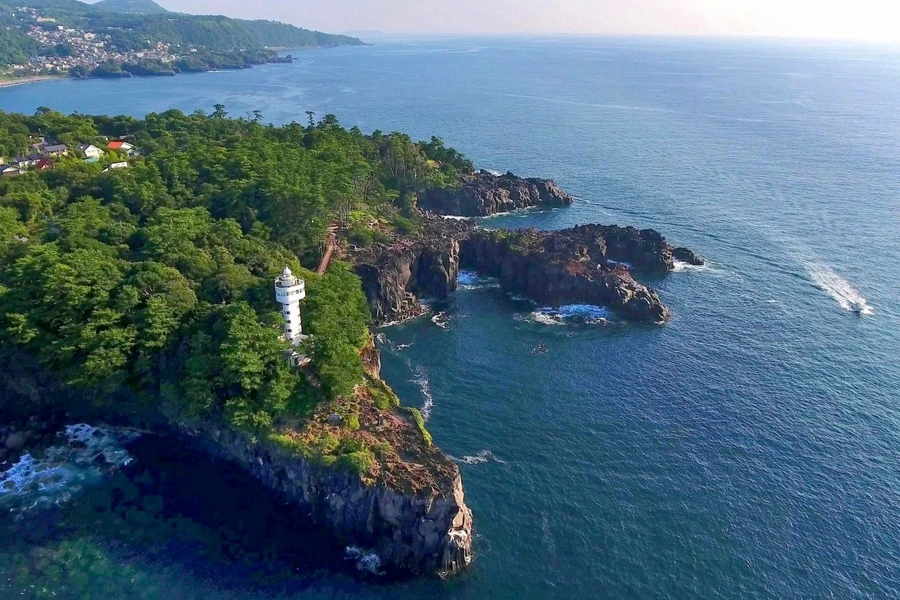
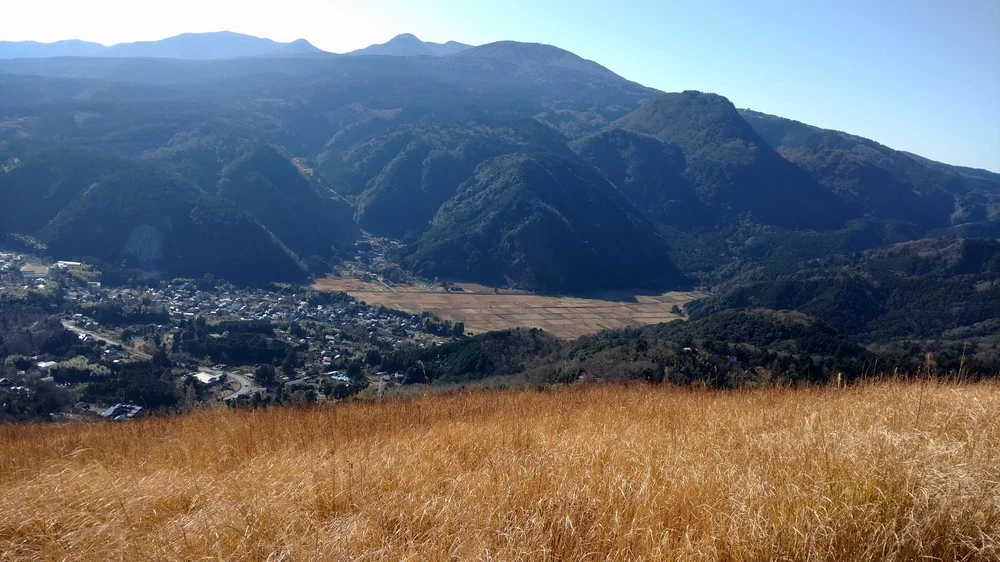
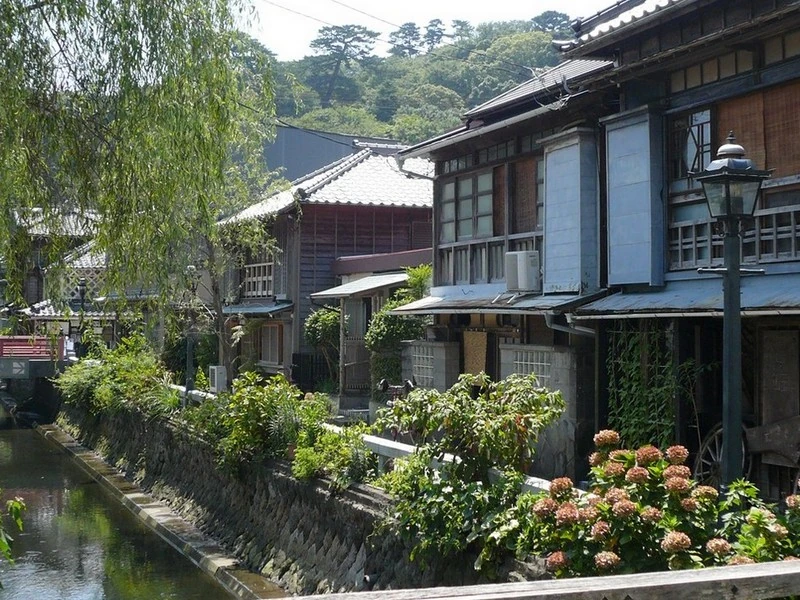
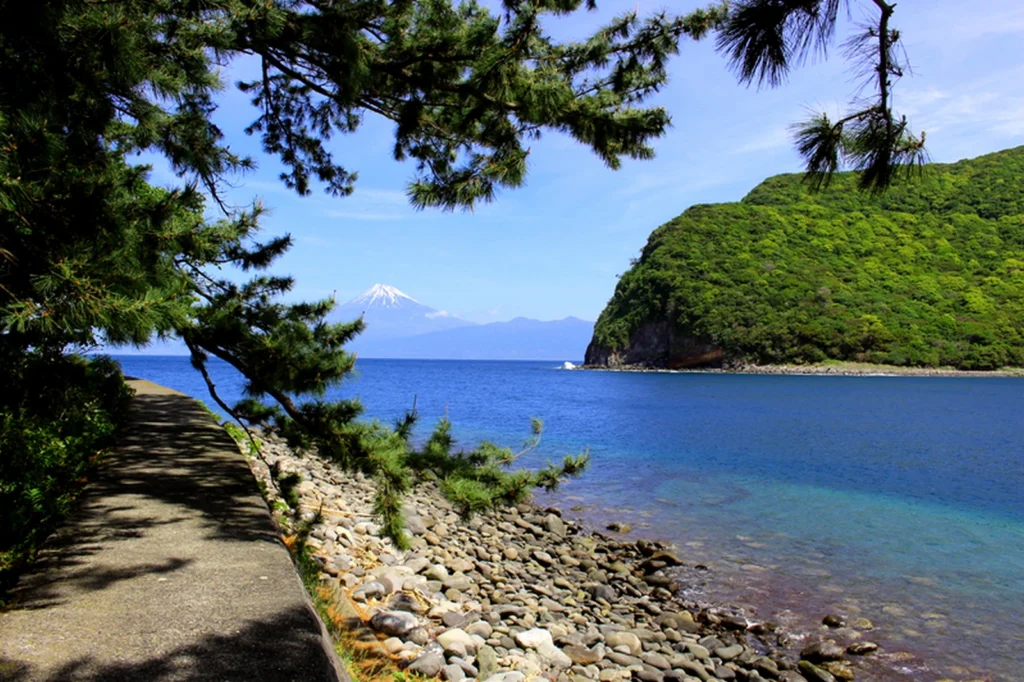
Long before railways and modern roads, Japan was made up of geographically separated communities. Mountains, rivers, and coastlines shaped daily life and limited how often people interacted with neighboring areas. The Izu Peninsula is one of the clearest places to see how that history still influences Japanese culture today. Villages here evolved independently, each shaped by its own terrain, water sources, and livelihoods. That same uniqueness still exists in modern Japan, even in large cities, which are divided into smaller neighborhoods that maintain their own identity, customs, and local rules.
In that sense, the Izu Peninsula offers a way to understand the bigger picture of Japan. Geography created separation, but it also created strong local character. Slow travel here isn’t about isolation. It’s about recognizing those differences and giving them space to be felt.
Letting "Place" Set the Pace
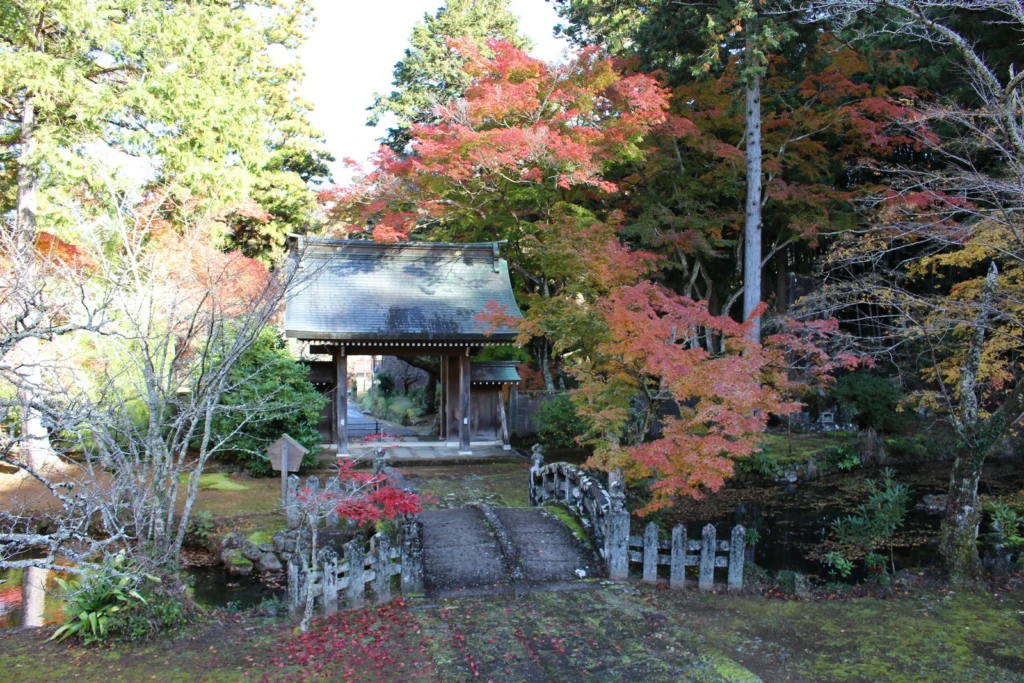
Because places on the Izu Peninsula are spread out, moving between them naturally takes time. On your Izu Peninsula tour, we don’t try to fight that reality. We let it guide the experience. When we arrive somewhere, we stop. We look around. We listen. We allow the place to tell its story before moving on. That story might come through a local folk tale connected to a shrine or landscape. It might emerge during a small seasonal event, or simply through observing how people use a space in their everyday lives. Slow travel, in this sense, means stopping long enough for understanding to catch up with experience.
Slow Travel Is Often About People
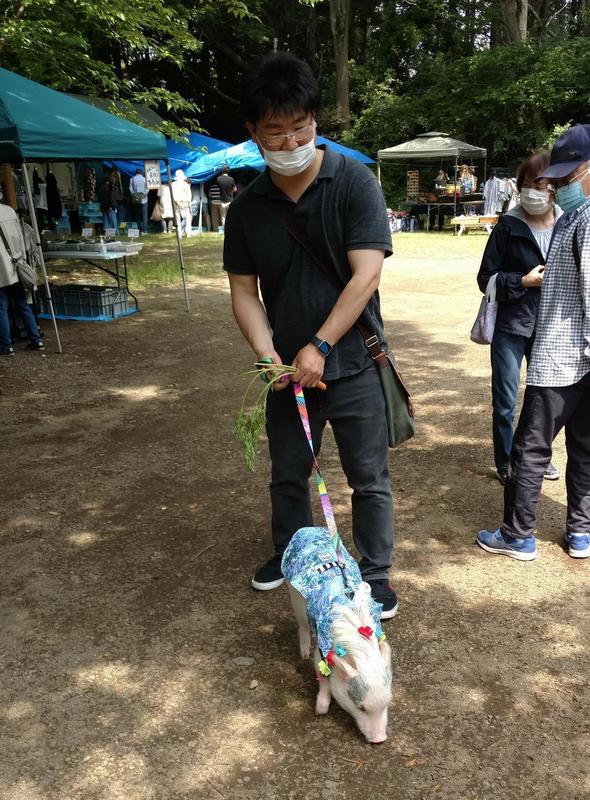
For many guests on my Izu Peninsula tours, the most memorable moments aren’t famous sights. It might be a brief greeting exchanged with a local resident while walking through a neighborhood. It might be a short conversation with a farmer during lunch at a small restaurant, or a shop owner sharing how the area has changed over time. These encounters aren’t staged and they aren’t guaranteed. They happen because we aren’t rushing from place to place. This is why slow travel on the Izu Peninsula feels welcoming rather than remote. You’re not cut off from people. You’re meeting them in ordinary moments that feel natural and unforced.
Why Rushing the Izu Peninsula Falls Flat
When people try to rush through the Izu Peninsula, the experience often becomes superficial. Places blur together. The region can feel quiet in the wrong way, not because there’s nothing there, but because there’s no time to connect with it. Slowing down changes that. Each area feels distinct. Each stop reveals its own personality. What seems subtle at first becomes meaningful once you give it proper attention.
Slow Travel: A Natural Fit for Izu
On the Izu Peninsula, slow travel isn’t a trend or a philosophy. It’s a practical response to geography and history. When you accept that pace, distance stops feeling like something to overcome and starts feeling like what gives the region its richness. The goal of my Izu Peninsula tours is simple: to help visitors slow down enough to notice the people, stories, and everyday details that make each place feel alive. When that happens, Izu doesn’t feel remote at all. It feels human, connected, and quietly engaging, the kind of experience that stays with you long after you leave.