Izu Peninsula FAQ
Frequently Asked Questions about the Izu Peninsula and Jimmy's Izu Tours
What is the Izu Peninsula, and where is it located?
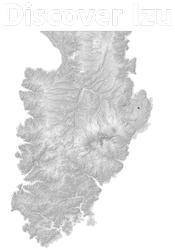
The Izu Peninsula is a mountainous, coastal region located southwest of Tokyo, extending into the Pacific Ocean. Although it is less than two hours from central Tokyo by train, Izu feels markedly different from Japan’s major urban and tourist centers.
Surrounded on three sides by the sea and shaped by volcanic activity, the peninsula evolved with a strong connection to farming, fishing, hot springs, and small, self-contained communities. These geographic and historical conditions continue to shape daily life in Izu today.
What makes the Izu Peninsula different from other destinations in Japan?
Izu is defined less by famous landmarks and more by its physical constraints. Steep mountains, jagged coastlines, and limited flat land determined where people could live, how they farmed and fished, and how communities developed over time.
For centuries, Izu was isolated and for much of its history, used as a place of exile. Many towns developed around natural hot springs, river systems, and sheltered fishing ports rather than along major trade routes. As a result, most of the peninsula remains rural and local in character.
Visitors often notice that Izu feels quieter and less curated than well-known destinations like Tokyo, Kyoto, or Hakone. Life here tends to move at a slower pace, and the connection between geography and culture is easier to see.
What are some highlights of the Izu Peninsula?
Highlights vary widely depending on which part of the peninsula you visit, but many people are drawn to:
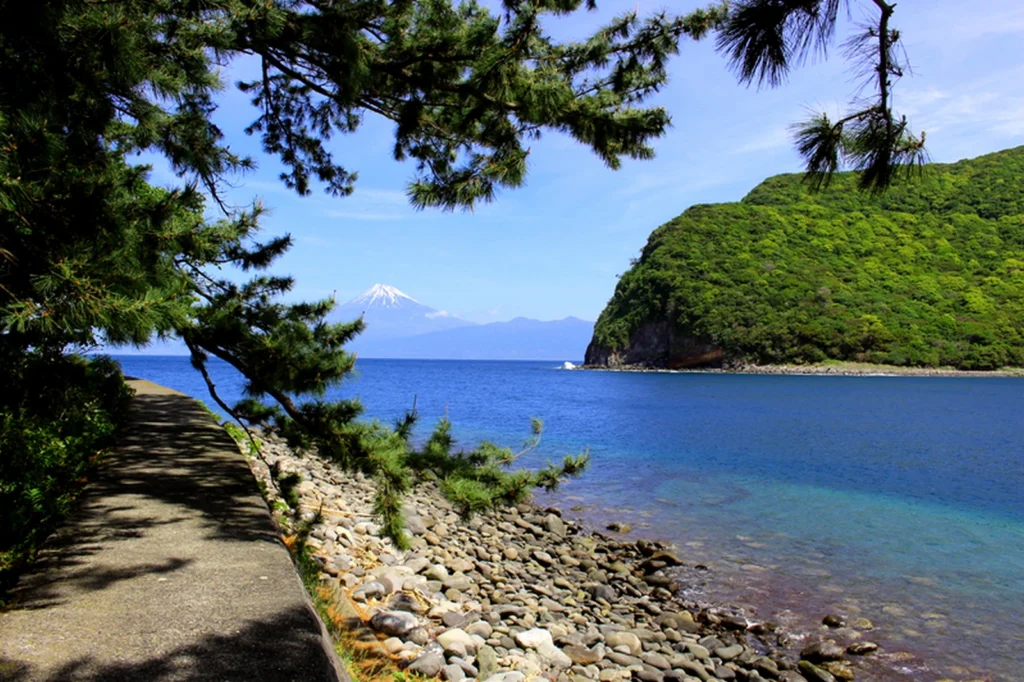
- Rocky coastlines and seaside coastal paths
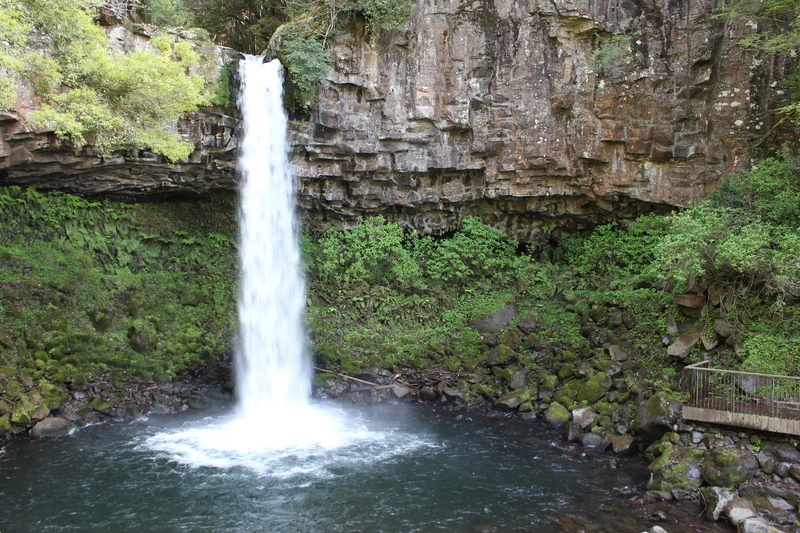
- Forested hills, rivers, and waterfalls inland
- Wasabi farms that rely on clear spring water
- Small towns shaped by fishing, farming, and onsen culture
- Resorts that grew organically around natural hot spring sources
Rather than checking off famous sights, many visitors find Izu most rewarding when they spend time moving slowly through its diverse regions and observing how people live within them.
How easy is it to reach the Izu Peninsula from Tokyo?
The Izu Peninsula is easy to reach from Tokyo by train, with travel times typically around two hours depending on your destination. Limited express trains serve coastal cities such as Ito and Shimoda and the central town of Shuzenji. Local rail lines and buses connect inland and western areas.
Once in Izu, travel times between locations can be longer than visitors expect due to winding roads and mountainous terrain. Allowing extra time and avoiding overly packed itineraries leads to a more relaxed and enjoyable experience.
What is the weather like on the Izu Peninsula?
The Izu Peninsula has a relatively mild climate year-round, influenced by the surrounding ocean.
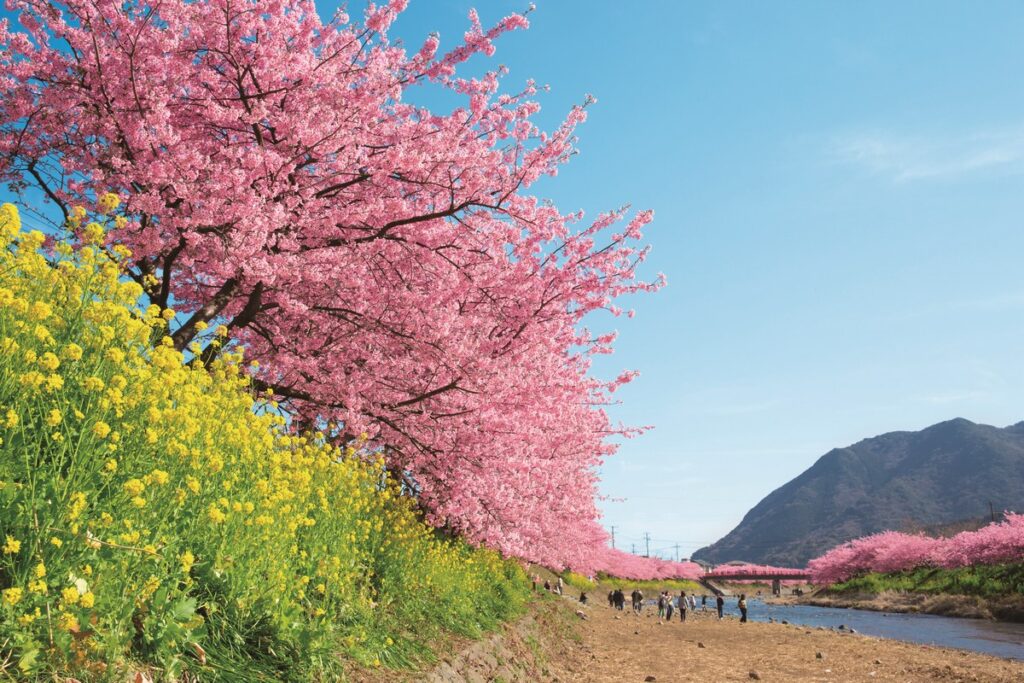
Spring (March–May): Mild temperatures and seasonal flowers, including early and late cherry blossoms depending on location.
Summer (June–August): Warm and humid, with beaches and coastal areas becoming more active. Inland areas near rivers and forests can feel cooler.
Autumn (September–November): Clear air and comfortable temperatures, making it one of the best seasons for walking and outdoor exploration.
Winter (December–February): Cooler but generally mild, with fewer crowds and excellent conditions for enjoying hot springs. Winter often offers the clearest views.
Rainfall is spread throughout the year, with a rainy season usually peaking from June to early July. Typhoons are most common from late summer into early autumn, so checking weather forecasts during those months is recommended.
Is the Izu Peninsula a good destination year-round?
Yes, though each season offers a different atmosphere. Spring and autumn are popular for their mild weather and scenery, summer appeals to those interested in the coast and beaches, and winter is well suited to travelers who enjoy quieter travel and hot springs.
The best time to visit often depends less on season and more on the kind of experience you are looking for.
Is Izu suitable for independent travelers?
Very much so. Many visitors explore the Izu Peninsula independently, using trains, buses, and occasional taxis. That said, transportation is less frequent in rural areas, and some locations are easier to reach with local knowledge.
Independent travelers who enjoy flexibility, walking, and spending time in fewer places often find Izu especially rewarding.
What can I expect from exploring Izu with a local guide?
Exploring Izu with a local guide is less about efficiency and more about context. A guide can help explain how geography, history, and daily life are connected, and can adapt plans based on weather, seasonal conditions, and personal interests.
For some visitors, this kind of guidance adds depth and understanding to places they might otherwise pass through without noticing.
What should I bring when exploring the Izu Peninsula?
Comfortable walking shoes are important, as even short walks may involve uneven ground or gentle hills. A light jacket or rain layer is useful year-round, and carrying water is recommended, especially in warmer months.
Most of all, bringing a willingness to move at a relaxed pace will make your time in Izu more enjoyable.
How People Use This Site
People come to this site for different reasons. Many are simply learning about the Izu Peninsula and deciding whether it is a place they would like to visit. Others already know they want to include Izu in their trip and are looking for ways to experience it more deeply.
If you are still in the research stage, these pages may be helpful:
Learning About the Izu Peninsula
Izu Travel Resources – practical information on transportation, seasons, and trip planning
Jimmy’s Izu Blog – articles exploring Izu’s geography, history, villages, and daily life
If you find that Izu appeals to you and would like help navigating the peninsula at a relaxed pace, you can also learn more about:
Exploring Izu With a Local Guide
Tours of the Izu Peninsula – small, slow-paced tours focused on place, history, and local life
There is no expectation to move from one section of this site to another. Most visitors explore these pages in whatever order fits their interests.