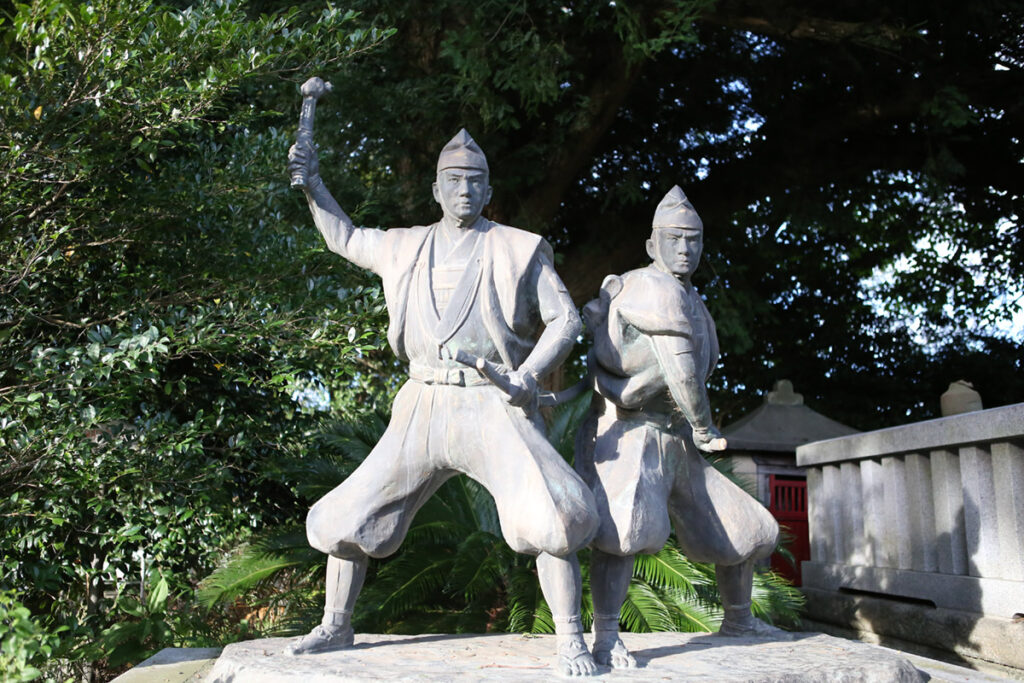
Tale of the Soga Brothers
There are stories here hidden in the mists of time, waiting to be heard. One of the most dramatic? The legendary Soga Brothers’ Revenge
Tale of the Soga Brothers Read More »
There are stories here hidden in the mists of time, waiting to be heard. One of the most dramatic? The legendary Soga Brothers’ Revenge
Tale of the Soga Brothers Read More »
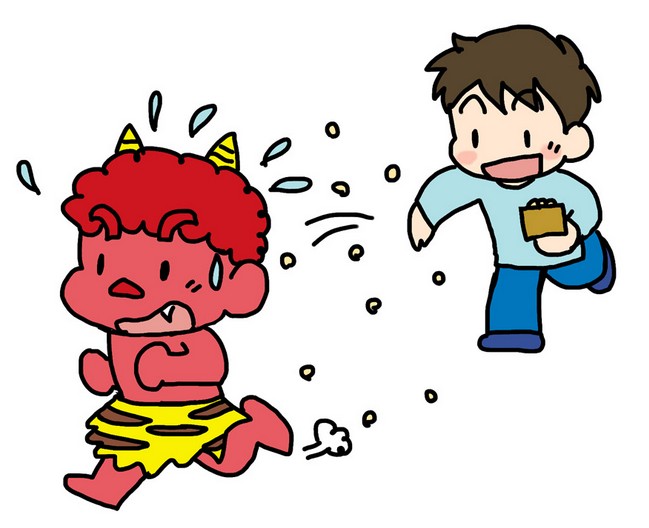
Today is Setsubun in Japan. It is one of several very old traditions imported from Chinese culture and based on the lunar calendar.
In the West, spring is associated with the vernal equinox (March 21), and rituals in European countries generally take place in early April. In Japan, the beginning of February is seen as the start of a transition from winter to spring. It is a time when the seasonal responsibilities of numerous gods start to shift, and they get restless and move around. To prevent gods of bad luck from wandering into the house, people developed a protective ritual called mamemaki (mah-may-mah-kee) or bean sowing.
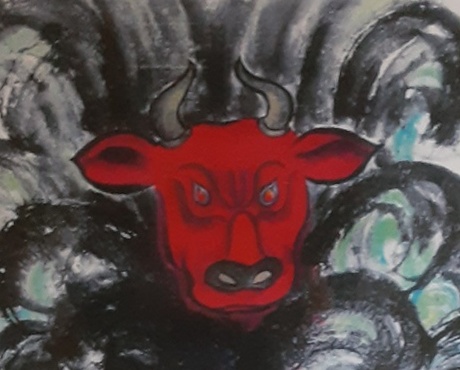
The Red Cow of Ike: The tale of a shape shifting murderous dragon lord.
Ike is a small, quiet community with two Shinto shrines and a single Buddhist temple. Ryukeiin was built 500 years ago, when it replaced an even older temple that was haunted by a murderous red cow.
The Red Cow of Fukusenji Read More »

Itō’s biggest festival is called Anjin sai and it celebrates the life and accomplishments of Miura Anjin (William Adams). Dancing, a taiko drumming competition and a fireworks show featuring more than 10,000 fireworks are highlights of the festival held in August every year.
Who was Miura Anjin? Read More »
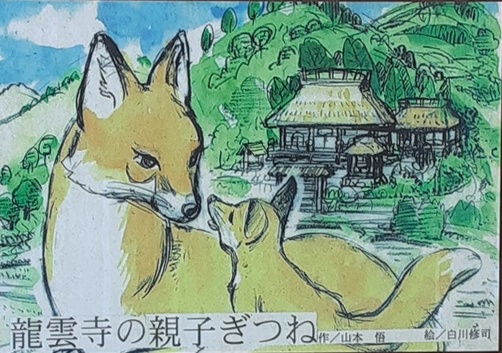
In the Totari (十足) valley, just north of Mt. Ōmuro, there is a Buddhist temple by the name of Ryūnji (龍雲寺). In a prominent location just outside the main entrance to the temple, there is a Shinto shrine called Kōsu Inari.
Why is there a Shinto shrine inside the grounds of a Buddhist temple?
Tale of the Kōgitsune (baby fox) Read More »
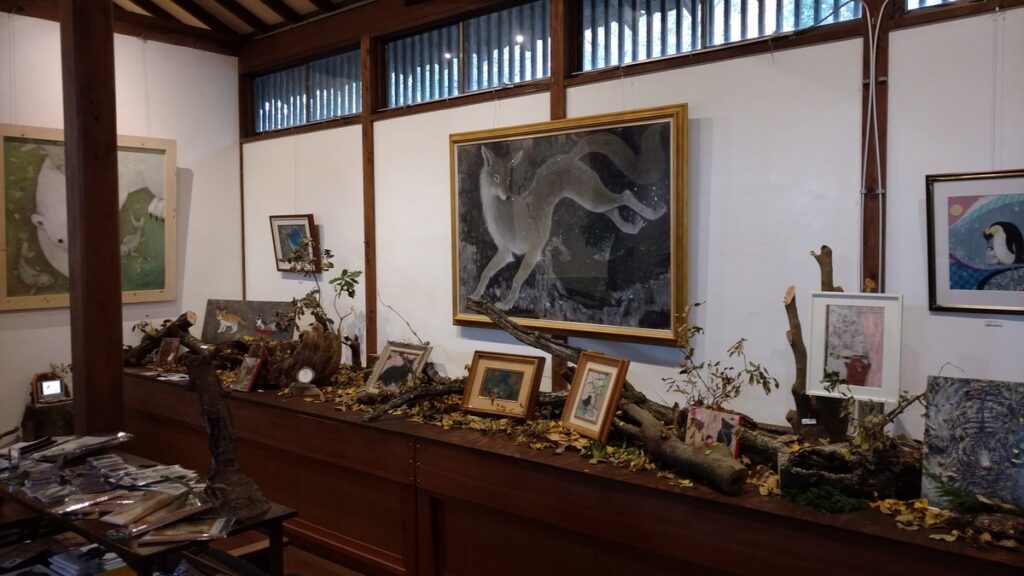
Behind the Izu Kogen train station, on the other side of the tracks, is one of the area’s many unique museums. The Jogasaki Cultural Museum is a place to learn about Izu history and culture, view art exhibitions, collaborate with artists, and mingle over coffee.
Lingua Franca – Jogasaki Museum Read More »
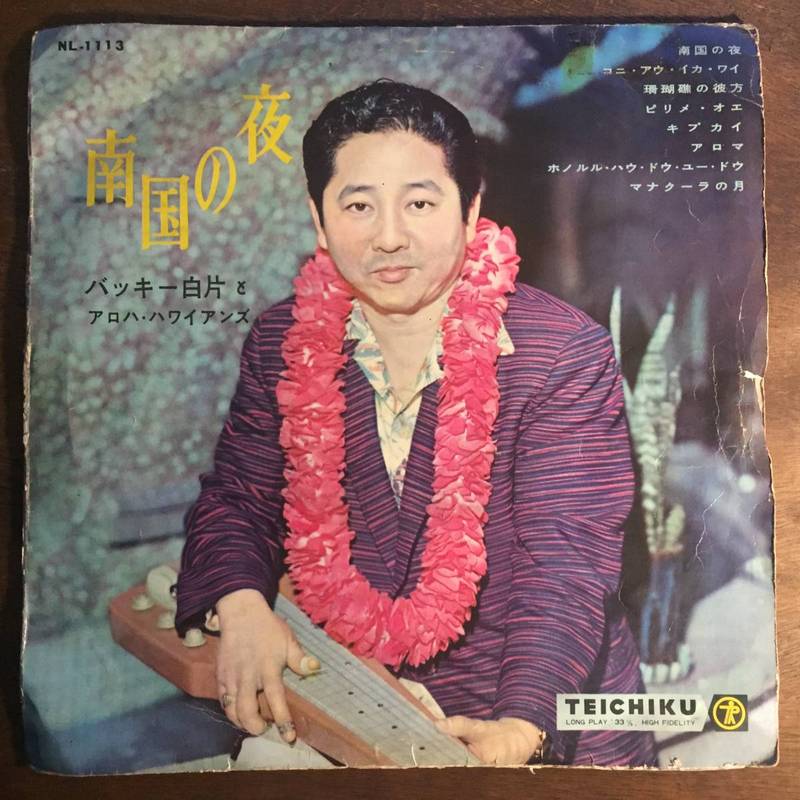
One of the things I noticed when I first moved to Izu is that people are nuts about anything Hawaiian. While the same can be said about Japanese people in general, I didn’t see as many expressions of Hawaii love when I lived in Tokyo.
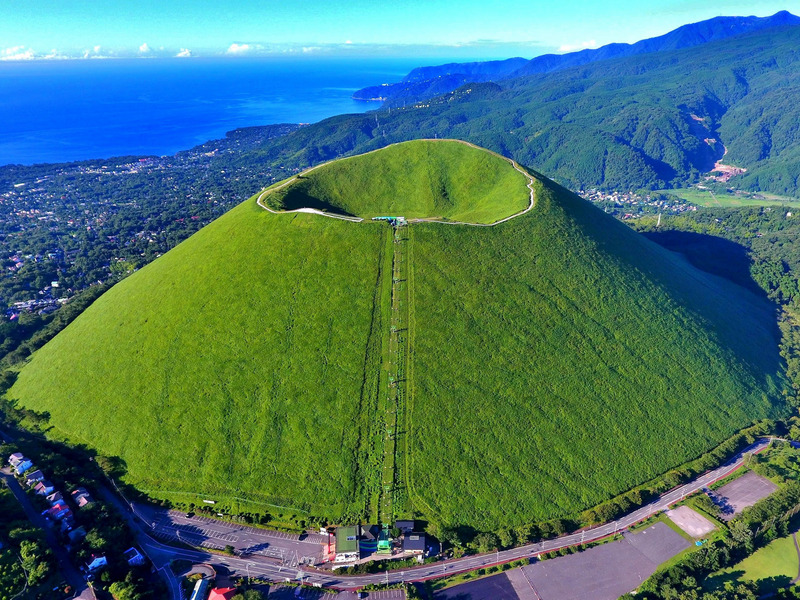
Local geologists describe Mt. Ōmuro as a scoria cone volcano – aka a cinder cone. “Cinder cones are the most common type of volcano in the world. They are small in comparison to the other types of volcanoes. In fact, they’re only tens to hundreds of meters in size. But at the same time, they’re very steep typically with a bowl-shaped crater at the summit.”
All About Mt. Omuro Read More »
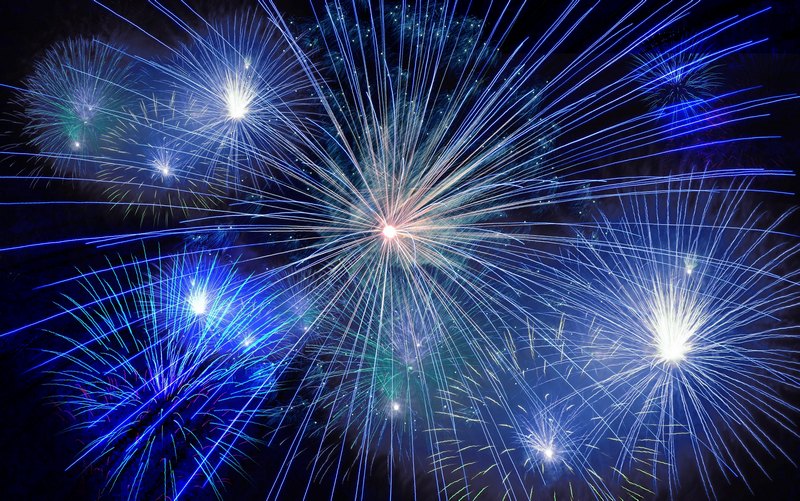
Japanese people love fireworks, and Japan has many famous fireworks festivals that attract thousands of spectators.
Wander a little off the beaten track in Japan, and you will discover local fireworks events with a real hometown character.
New year’s eve fireworks are a good opportunity to experience this type of small town cultural event.
One major difference from bigger events, is how an MC announces local sponsors before each successive round of fireworks.
New Year’s Fireworks 2022 Read More »
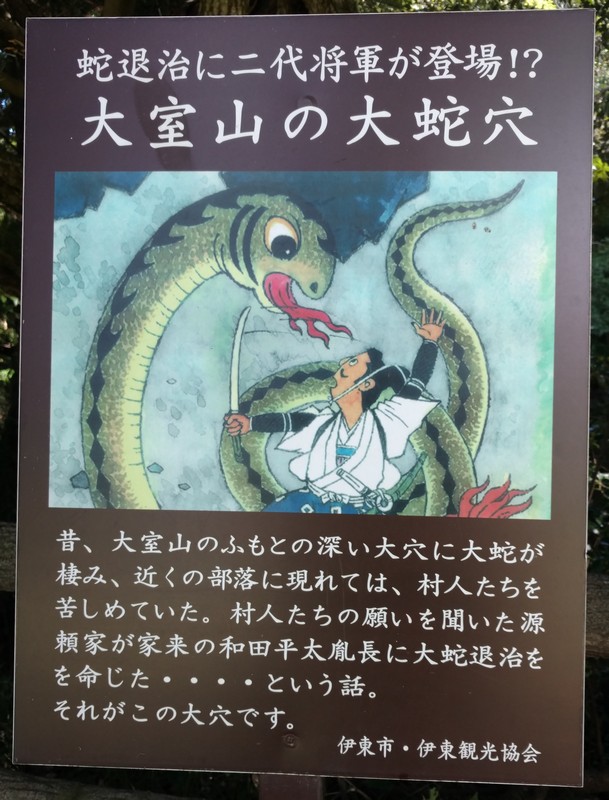
At the bottom of the west slope of Mt. Ōmuro is a large, open pit. On the edge of the pit is a cave that goes deep into the volcano, probably a collapsed lava tube. Legend has it that a daija (giant snake) lived in this cave and frequently terrorized the villagers.
The Giant Snake of Mt. Omuro Read More »