Off The Beaten Path Japan
Of course we want to visit the most famous places, and we should. There are also many amazing places that people miss and go home without experiencing the numerous benefits to traveling off the beaten path. Why not do both?
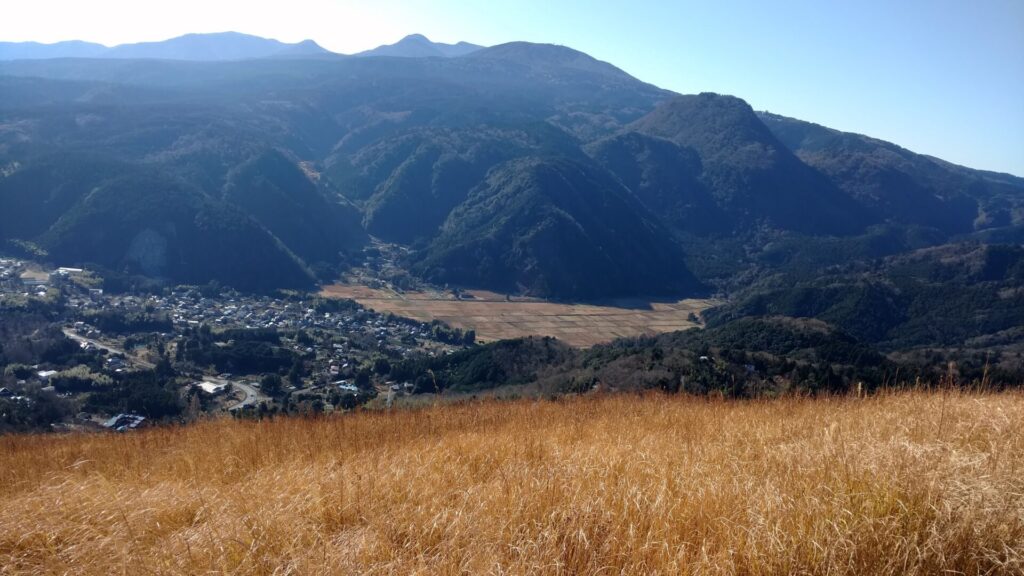
Before the railroad came, the Izu Peninsula was a place of deep isolation. Tucked into rugged mountains or clinging to the rocky coast, its villages were shaped by geography, self-reliance, and harmony.
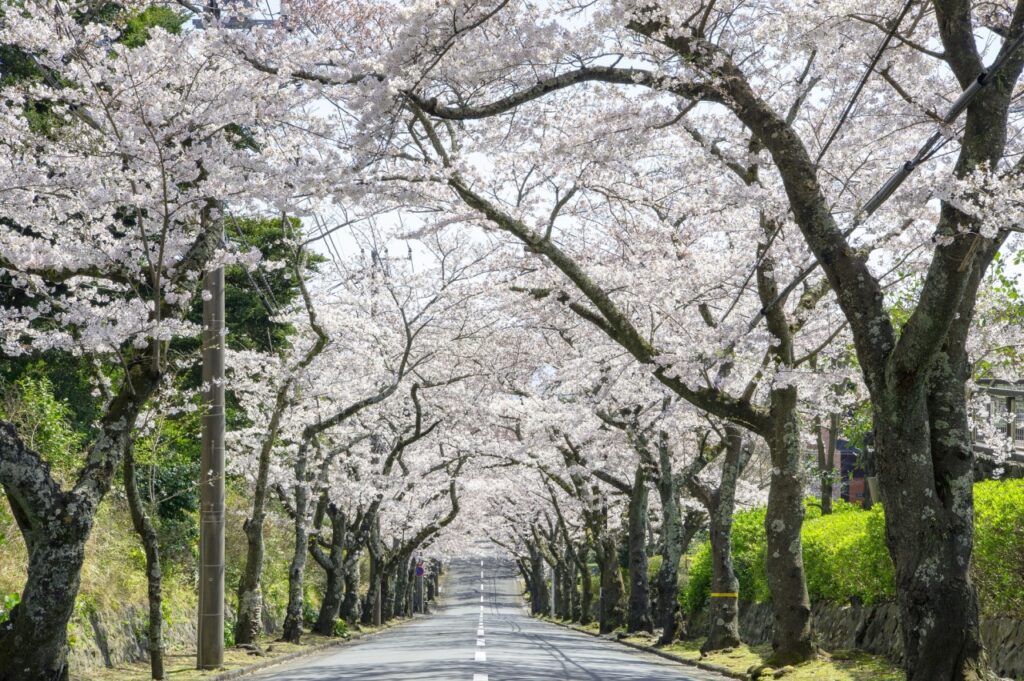
Here in Izu, we have some of the earliest blooming varieties of sakura (cherry trees). The most famous is the Kawazuzakura, which begins to bloom in the beginning of February and peaks around the second to third week of the month. This early variety was developed in the city of Kawazu, where a popular festival runs from the beginning till the end of February.
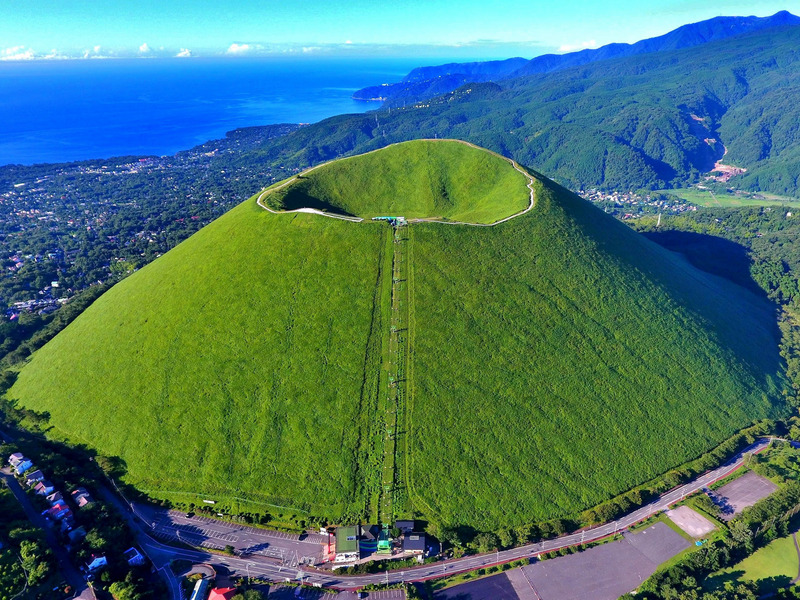
The Izu Peninsula’s Mt. Omuro is one of the most recognizable landmarks in Japan’s Fuji-Hakone-Izu National Park.
Everything about Japanese culture can be traced back to its rural villages. Japanese language, behavior, rituals, and diet can be traced back to a small village tucked away in a remote mountain valley.
How can that be? Let’s look at one lesson from language.
One of the first words a foreigner learns when studying Japanese is “gaijin,” 外人 which means ‘outsider.’ The more polite and socially accepted version of this word is “gaikokujin,” 外国人 which means ‘person from a foreign country.’ The word “gaijin” is strongly connected to the important concepts of “uchi” 内 and “soto” 外 in Japanese.
Itō has been inhabited since the Jōmon period – roughly 13,000-300 B.C. This era coincides with the Stone Age. The hunter-gatherer Jōmon people are believed to have entered Japan via the Japan Sea and the northern archipelago. They occupied northeastern Japan, and Izu was at the far western boundaries of their range. Archaeological digs here in Itō have produced artifacts from that time including primitive tools and pottery.
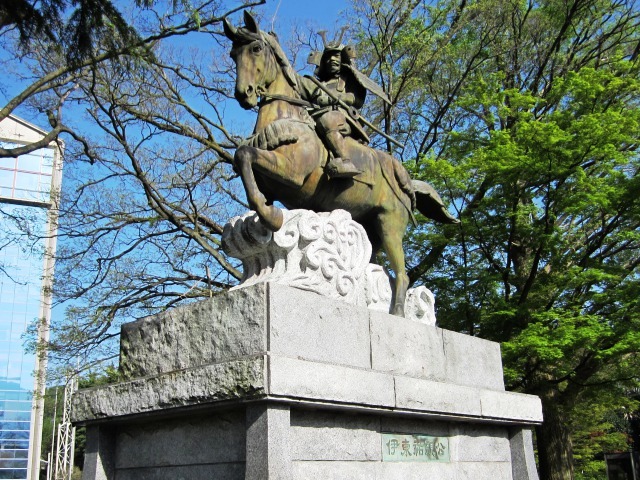
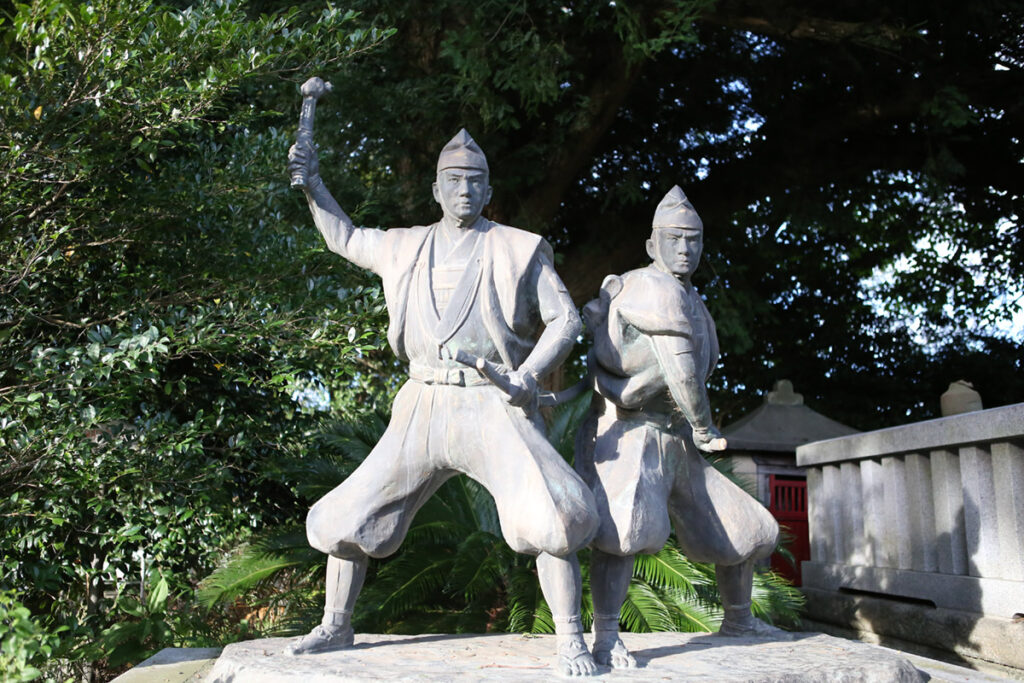
There are stories here hidden in the mists of time, waiting to be heard. One of the most dramatic? The legendary Soga Brothers’ Revenge
Today is Setsubun in Japan. It is one of several very old traditions imported from Chinese culture and based on the lunar calendar.
In the West, spring is associated with the vernal equinox (March 21), and rituals in European countries generally take place in early April. In Japan, the beginning of February is seen as the start of a transition from winter to spring. It is a time when the seasonal responsibilities of numerous gods start to shift, and they get restless and move around. To prevent gods of bad luck from wandering into the house, people developed a protective ritual called mamemaki (mah-may-mah-kee) or bean sowing.
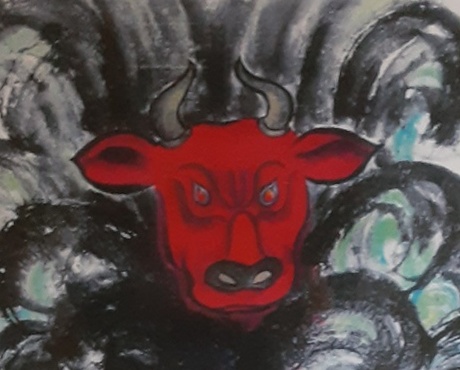
The Red Cow of Ike: The tale of a shape shifting murderous dragon lord.
Ike is a small, quiet community with two Shinto shrines and a single Buddhist temple. Ryukeiin was built 500 years ago, when it replaced an even older temple that was haunted by a murderous red cow.
Itō’s biggest festival is called Anjin sai and it celebrates the life and accomplishments of Miura Anjin (William Adams). Dancing, a taiko drumming competition and a fireworks show featuring more than 10,000 fireworks are highlights of the festival held in August every year.